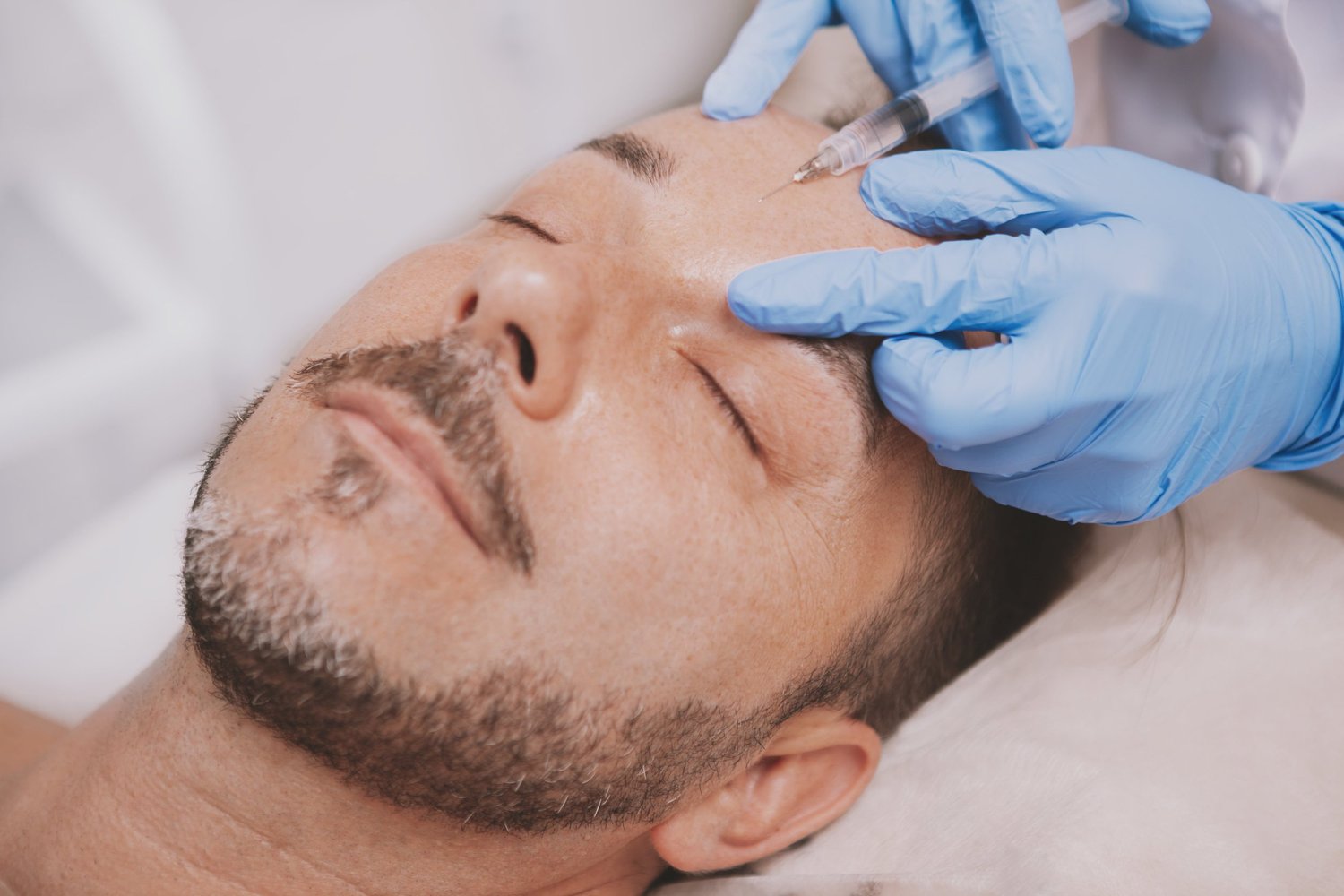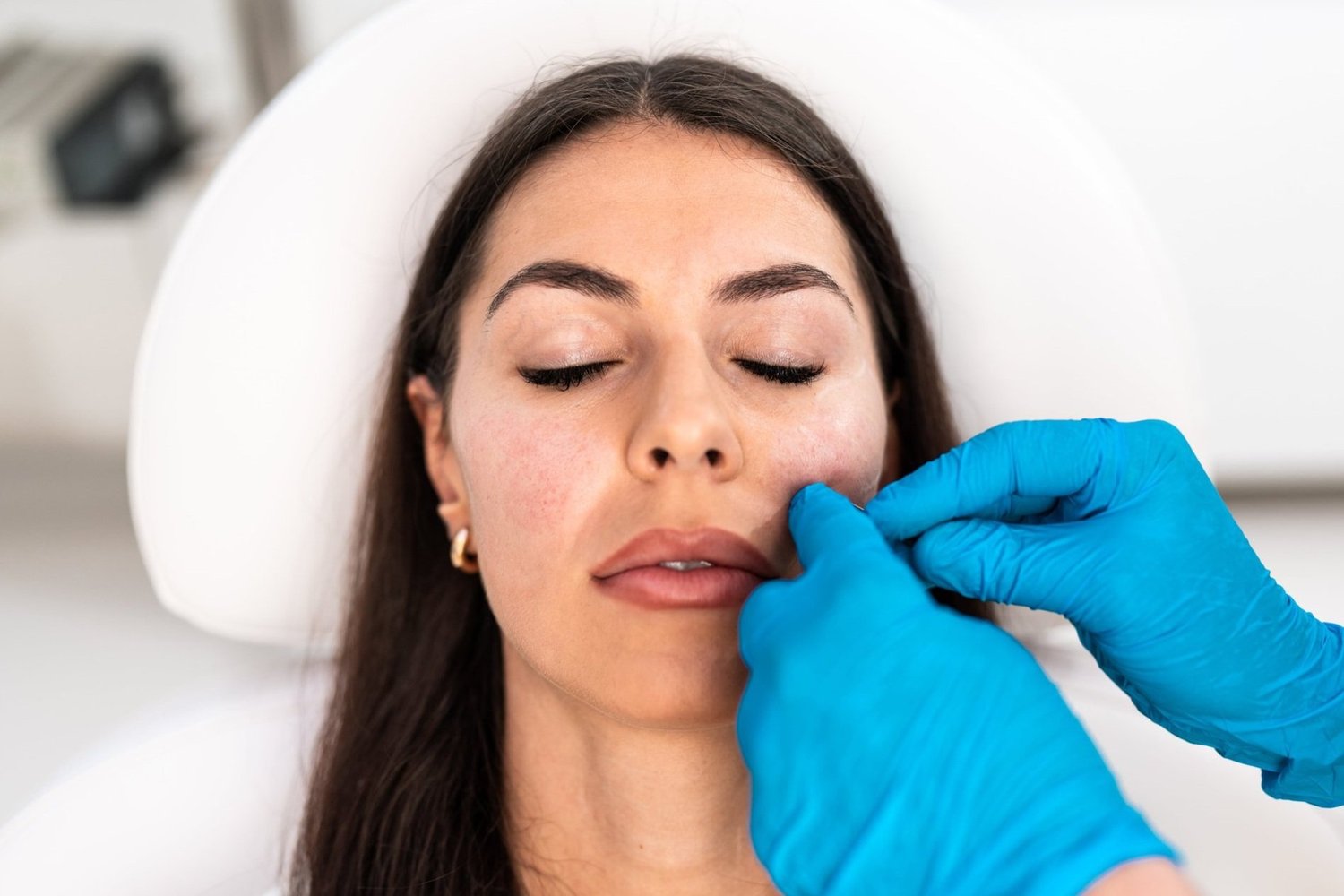

Dermal fillers are soft, gel-like substances made primarily from hyaluronic acid, a hydrating molecule the body already produces. Placed by a trained practitioner, they restore volume, support tissue, and refine contour. At our Bursledon, Southampton clinic, pricing and booking are on Fresha, the consultation is £30, taken off your first treatment, and we will almost always recommend less than patients arrive expecting.
Most of the patients who arrive in Bursledon asking about dermal fillers have a treatment in mind and a millilitre count from a friend, an Instagram caption, or a previous clinic. We always say the same thing back. The millilitre count is not the first conversation. The first conversation is about the face, what it has lost, what it never had, and whether filler is the right answer at all.
This article is the longer version of that first conversation. It is written for anyone in Southampton, Hampshire, or further afield who is thinking about dermal fillers in Southampton for the first time, and would prefer to walk in already knowing what they are, where they belong, and why we measure the area before we measure the product.
What dermal fillers actually are
Almost every filler used in a reputable UK clinic today is made from hyaluronic acid. Hyaluronic acid is not a foreign substance. The body produces it naturally in the skin, the joints and the eyes, where it holds water and gives tissues their cushioned bounce. The filler we inject is the same molecule, cross-linked into a soft gel so it stays where it is placed rather than dissolving instantly.
Different products in the cabinet are formulated for different jobs. Soft, low-cohesion gels go into the lips and tear troughs, where the tissue is delicate and movement is constant. Firmer, more lifting gels go onto the cheekbone, jawline and chin, where the role is to support rather than soften. Choosing the wrong product for the area is one of the most common reasons filler looks done, and one of the most preventable.
What dermal fillers can treat
Used considerately, fillers can do a small number of things very well. Restore volume in the cheek and temple as it naturally migrates downward with age. Refine the chin and jawline so the lower face holds its proportion. Soften the deeper folds running from nose to mouth. Refresh the tear trough, in carefully selected candidates. And shape the lip, with the emphasis on shape rather than size.
What fillers do not do is lift sagging skin from a distance, fix lines caused by muscle movement, or tighten lax tissue. For dynamic creases such as frown lines and crow's feet, the right answer is almost always anti-wrinkle injections in Southampton, not filler. For diffuse hydration and skin quality, the right answer is more likely a course of Profhilo and skin booster injections, which work on the dermis itself rather than placing volume into deeper planes.
The thirty-minute consultation, properly explained
The consultation is the single most important part of the appointment, and the part most clinics rush. Ours runs to thirty minutes. It costs £30, which comes off your first treatment if you go ahead. We spend the first twelve minutes on history. Medical, surgical, dental, allergies, current medications, anything previously injected, where, when, and by whom.
We then spend the next ten minutes with you upright in good light, mapping the face by hand. We are looking for asymmetry, volume loss, soft tissue support, bony projection at the chin and cheek, and how the lower face holds the lip and jaw. Only at the end of that mapping do we talk about products, areas and millilitres, in that order.
One millilitre at a time. The patients whose faces age best are almost always the ones who let us treat a single area, see it settle, then come back.Krystian Woloszyk · Lead clinician
The treatment itself
Topical numbing cream is applied for fifteen minutes before any injection. Almost every filler on our shelf contains a local anaesthetic, which means it numbs as it goes in. The actual placement is done with the smallest needle suited to the area, or for certain regions with a soft, blunt cannula that travels under the skin rather than across it. The cannula significantly lowers the risk of bruising and is our default for the cheek, the jawline and most under-eye work.
Most patients describe filler as uncomfortable rather than painful. Lip filler is the most sensitive area, and we will pause to top up the numbing if needed. The total injection time for one millilitre is usually between eight and fifteen minutes, depending on the area.
How long fillers last in different areas
The honest answer to how long do dermal fillers last is that it depends on the area, the product and the body it sits in. Cheek, chin and jawline filler often holds visibly for twelve to eighteen months and longer in tissue terms. The lips and tear troughs, which move constantly and have richer blood supply, typically last between six and nine months. Patients who train heavily, who run frequent saunas, or who have higher basal metabolic rates, tend to metabolise filler a little faster than the average.
The two-week review
Filler swells before it settles. The shape you see immediately after the appointment is not the final result. We always book a complimentary review at two weeks, by which time the gel has hydrated, the swelling has resolved, and the symmetry is honest. If anything needs balancing, we balance it then.
What we will say no to
Saying no is part of the job. We routinely decline to place more than one or two millilitres in a single appointment, because we cannot honestly assess what we have done until the swelling has resolved. We decline to overfill the lips, the cheek and the chin, because tissue has a memory and overfilling now creates problems we will be undoing two years from now. We decline anyone who is pregnant or breastfeeding, anyone with an active infection or rash in the treatment area, and anyone with a confirmed allergy to the product or its excipients.
And we will gently steer patients away from filler altogether when something else is the better answer. A patient who has heard about cheek filler when what is really tiring the face is the loss of skin quality in the lower cheek, for example, is better served by a course of Profhilo than by another millilitre of gel. A patient with frown lines and forehead concerns is better served by anti-wrinkle injections than by filler. The right answer is rarely the answer you arrived with.