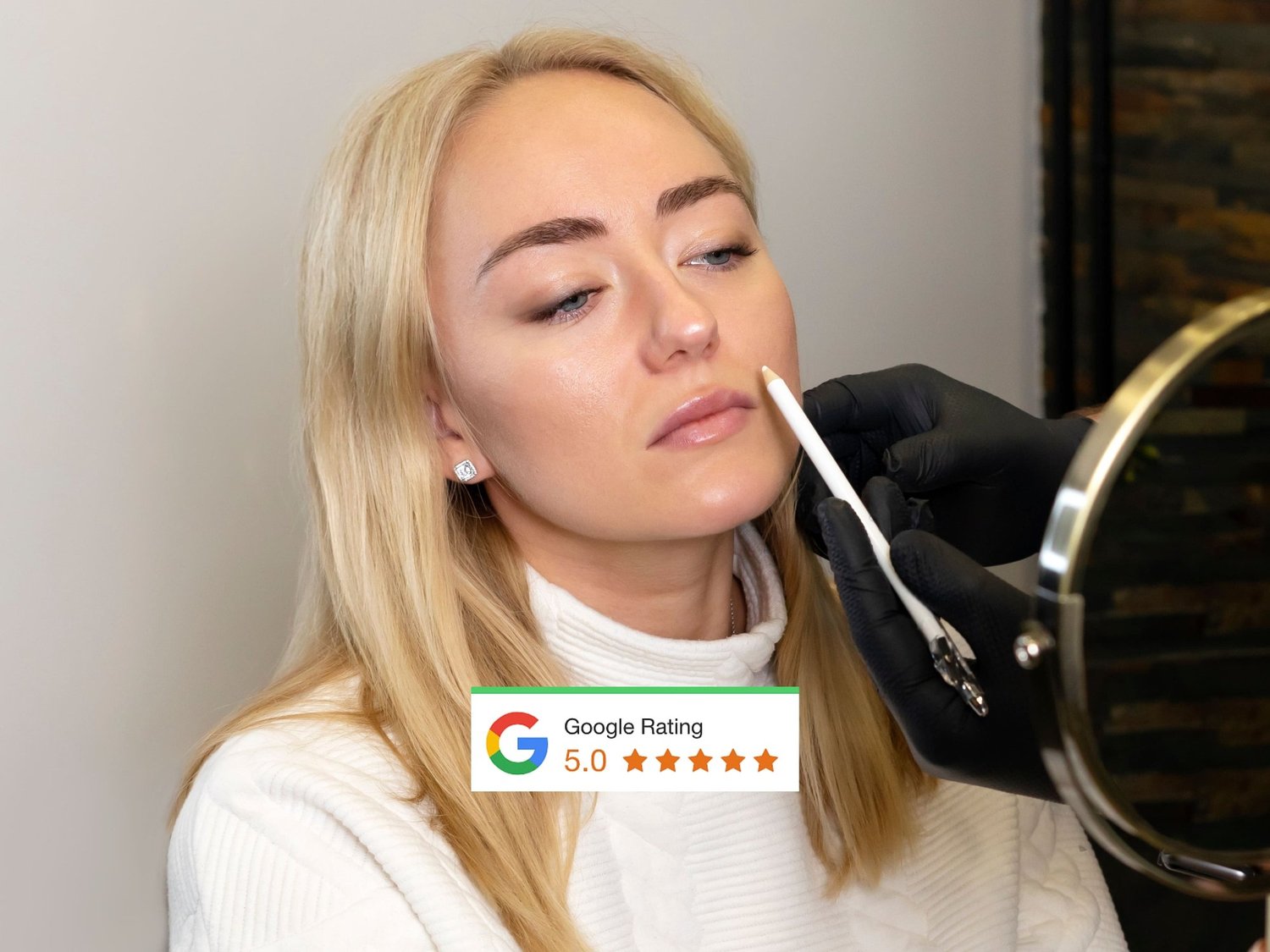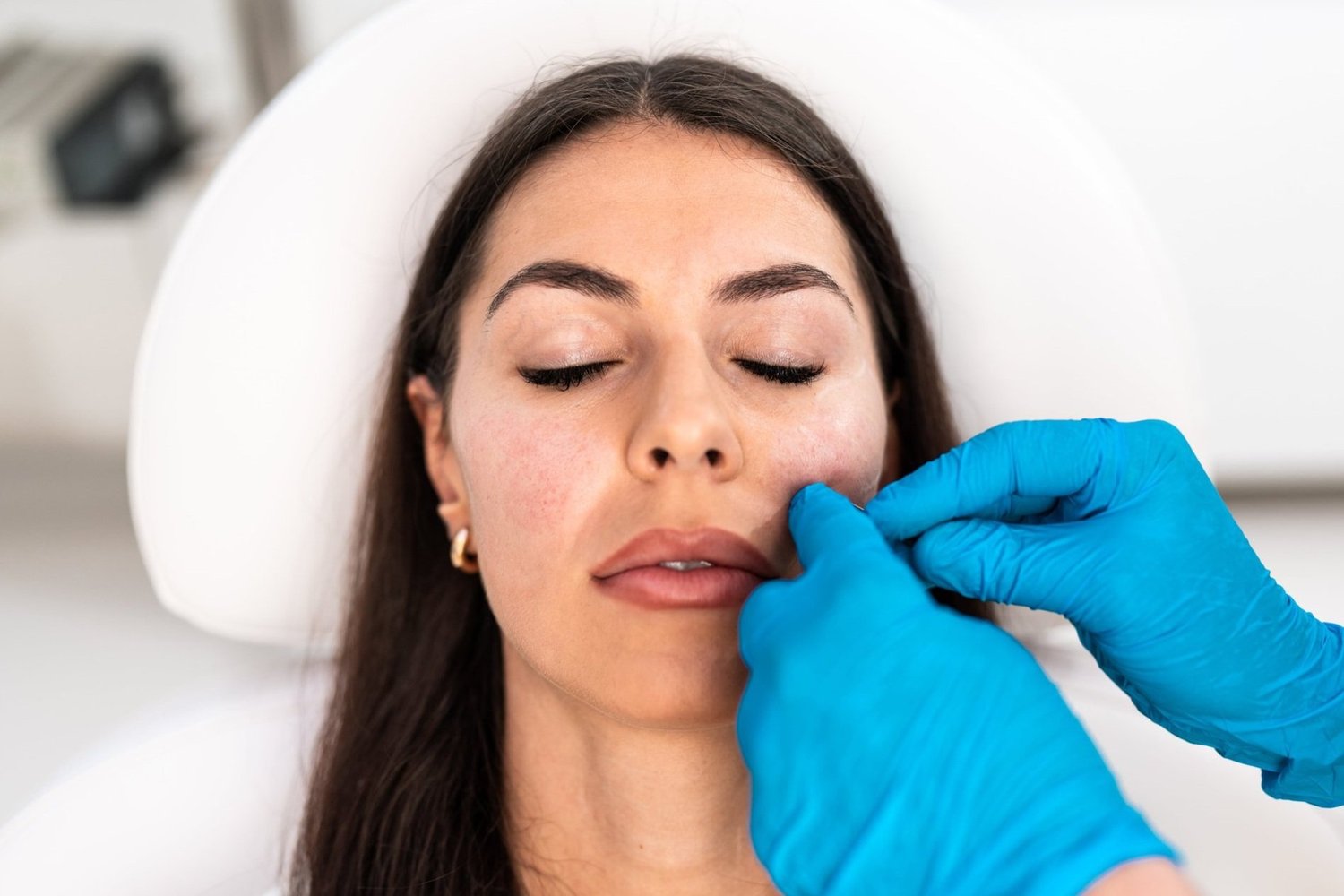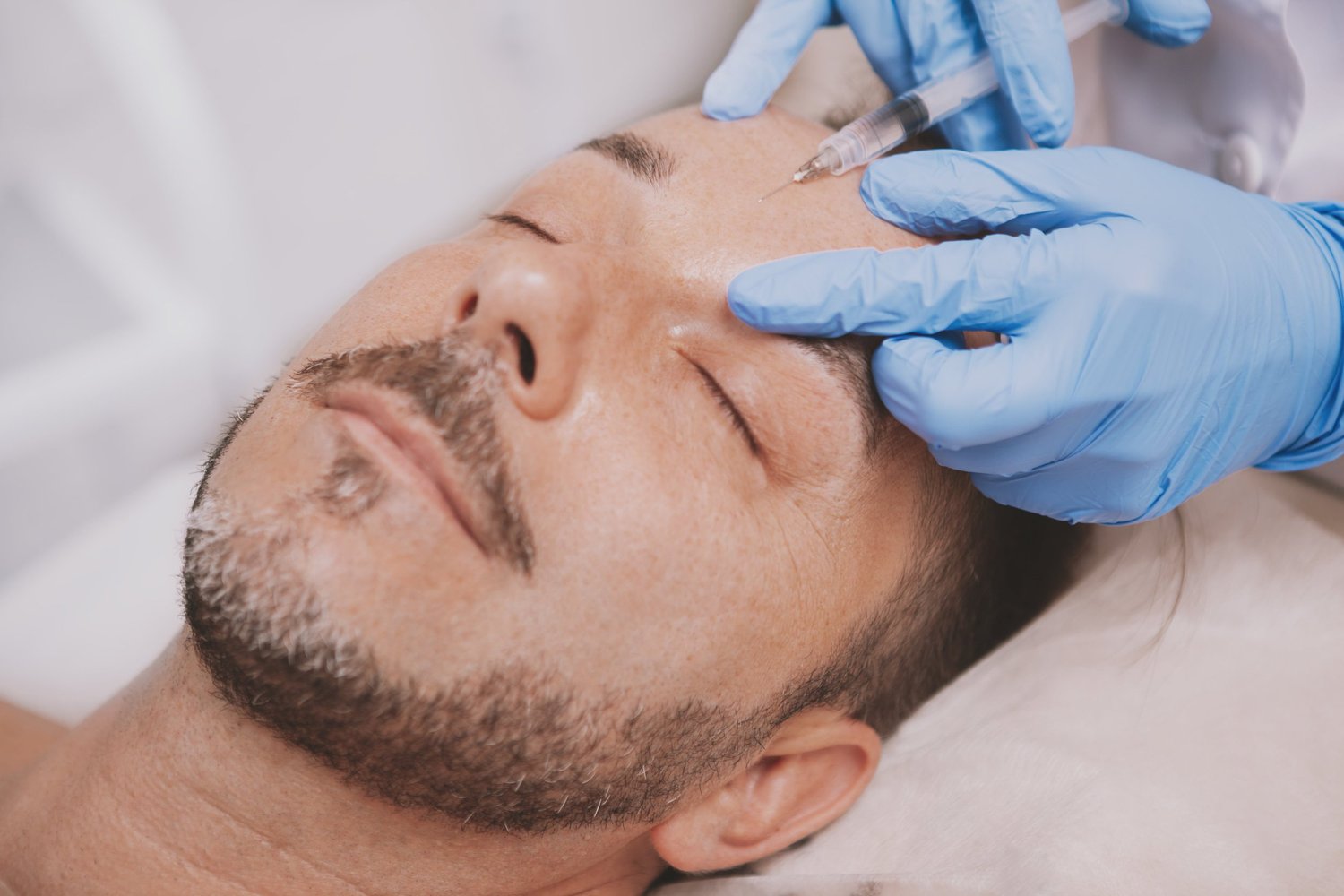
The brief in our consult room is always to enhance rather than change. The right amount of considered work, placed in the right places, in the right proportion to your face, should leave you looking rested rather than altered. Friends and family should notice that you look well. They should not be able to identify what you have had done. Everything in this article is the longer version of that single rule.
Aesthetic medicine has earned itself a difficult reputation, and not always fairly. The cases that travel furthest in the press and on the feed are the ones where the work is visible. The patients we are proudest of, by contrast, are the ones whose own families cannot tell what has been done. This is not because the result was small. It is because the result was correctly proportioned to the face it was placed on.
This article is the considered version of how we think about that. It is written for anyone in Southampton, Hampshire, or further afield who has noticed something in their face but does not want a treatment that announces itself, and would prefer to walk into a clinic that thinks about beauty the same way they do.
What we mean by enhancing rather than changing
Every face has a structure it was given, a way it moves, and a way it sits at rest. Considered aesthetic work asks the same question over and over again. What is this face already doing well, and how do we let more of that show? The answer is rarely more. It is more often a small thing in the right place.
A patient who has lost a little volume in the cheek often does not need filler in the cheek itself. They need a tiny amount of structure at the cheekbone so the soft tissue has something to rest against. A patient who is bothered by frown lines often does not need their full forehead treated. They need a conservative dose into the muscles between the brows. A patient who feels tired in photographs often does not need a single intervention at all. They need a course of Profhilo and skin booster injections in Southampton to improve the quality of the tissue.
The treatments that age well
The treatments that age most gracefully share a few qualities. They are subtle. They are reversible or temporary. They restore something that was already there rather than imitate something that was not. And they are placed in proportion to the face they are placed on.
Anti-wrinkle injections
A conservative dose of anti-wrinkle injections in Southampton placed only where the muscle is working too hard. The frown lines, the lateral lines around the eyes, sometimes the forehead. Almost always less than the patient arrived expecting.
Dermal fillers, used as scaffolding
A small amount of dermal filler placed on bone at the cheekbone, the chin, or the angle of the jaw. The role is structural. Skin needs something to drape against. A few millimetres of bone-level support changes the visible position of the soft tissue without ever showing as a discrete area on the face.
Lip work, with proportion as the brief
Lip filler done well is almost always less than people imagine. The lip is in proportion to the philtrum above it, the chin below it, and the cheekbones either side. We rarely use more than half a millilitre on a first appointment, and we always look at the lower face as a whole before deciding how much.
Skin boosters and Profhilo
One of the quietest and most useful treatments in aesthetic medicine. Profhilo improves the quality of the dermis itself. It does not change volume. It does not change shape. It changes how the skin looks and how it behaves. Patients who have a course of Profhilo at the right cadence often need less of everything else.
Microneedling and dermaplaning
Treatments that work on the surface of the skin rather than under it. Microneedling in Southampton for texture, tone and post-acne scarring. Dermaplaning in Southampton for a forty-minute glow with zero downtime. Neither is a replacement for the injectables above, but both are valuable contributions to the same long picture.
Friends and family should notice that you look well. They should not be able to identify what you have had done. That is the only test that has ever mattered.Krystian Woloszyk · Lead clinician
How to recognise a clinic that prioritises natural results
The questions we wish more patients asked us at a first appointment are two. The first is how often we say no, and what the most common reasons are. The second is what we will not do, regardless of how much someone is willing to pay.
We say no, in some form, more often than not. We say no to second treatments inside the same twelve weeks. We say no to filling areas the face has not yet finished settling into. We say no to anyone asking us to copy a specific celebrity's face. And we say no to anyone whose underlying request, when listened to carefully, is better answered by a kinder conversation than by a needle.
The friends-and-family test
Our most honest measure of a good outcome is the friends-and-family test. A week after the work has settled, a patient should see their close people and have them say something like you look rested, you must have had a good holiday, or simply you look well. They should not see them and be asked what have you done. If the answer to the latter is yes, the treatment was placed without enough proportion. If the answer to the former is yes, the treatment did the work it was asked to do.
This is the brief we hold ourselves to on every appointment. It is also the reason the consultation is the most important part of the visit. Once you understand the philosophy of the room, the actual treatments take care of themselves.