Skin loses lift because collagen and elastin fall away, the underlying fat pads shift downward, and the bone beneath them remodels over time. Considered aesthetic treatments can support, restore and improve the quality of the tissue. They cannot replace a surgical lift in advanced laxity. The right starting point at our Bursledon, Southampton clinic is almost always Profhilo or carefully placed dermal filler, not a hopeful course of every device on the market.
One of the questions we hear most often in the Bursledon consultation room is some version of can you tighten this for me. The face being shown is rarely loose in only one place. The lower cheek has dropped a little. The jawline has softened. The lines from nose to mouth have deepened. And the skin itself has lost some of its springiness when pressed.
This article is the considered version of the answer. It is written for anyone in Southampton, Hampshire, or further afield who has noticed early skin laxity and would prefer to know what aesthetic medicine can do, what it cannot do, and where the honest line sits between considered injectable work and a kinder referral to a surgeon.
Why skin sags in the first place
Skin laxity is rarely one thing. It is a quiet collaboration between five separate processes happening at the same time. The dermis loses collagen and elastin at roughly one per cent per year after the age of twenty-five, which is why the same skin that snapped back in your twenties feels softer to the touch in your forties. The fat pads sitting beneath the skin descend along the cheek as the supporting ligaments stretch. The bone underneath remodels, particularly at the cheekbone and jawline, removing some of the scaffolding that the soft tissue relied on. Sun damage degrades the matrix the skin is built from. And lifestyle factors, especially smoking, stress and poor sleep, accelerate every one of those processes.
Knowing which of those is the dominant driver in your particular face is the difference between a treatment plan that works and a treatment plan that does not. Two patients can present with the same visible laxity and need entirely different approaches.
What aesthetic medicine can actually do
Three categories of injectable treatment do something real for early skin laxity. They are not interchangeable, and the wrong one in the wrong face is one of the most common reasons aesthetic treatment disappoints patients.
1. Treating the tissue: Profhilo and skin boosters
If the dominant issue is that the skin itself has lost springiness, the right answer is almost always a course of Profhilo and skin booster injections in Southampton. Profhilo is a stabilised hyaluronic acid that spreads through the dermis after injection, where it stimulates the skin to produce its own collagen and elastin over a period of weeks. It is not a filler. It does not create volume. It changes the quality of the tissue, which means the same amount of skin behaves better and looks healthier.
The standard protocol is two sessions four weeks apart, then maintenance every six months. Most patients notice the difference on touch first and on photograph second.
2. Restoring the structure: dermal filler
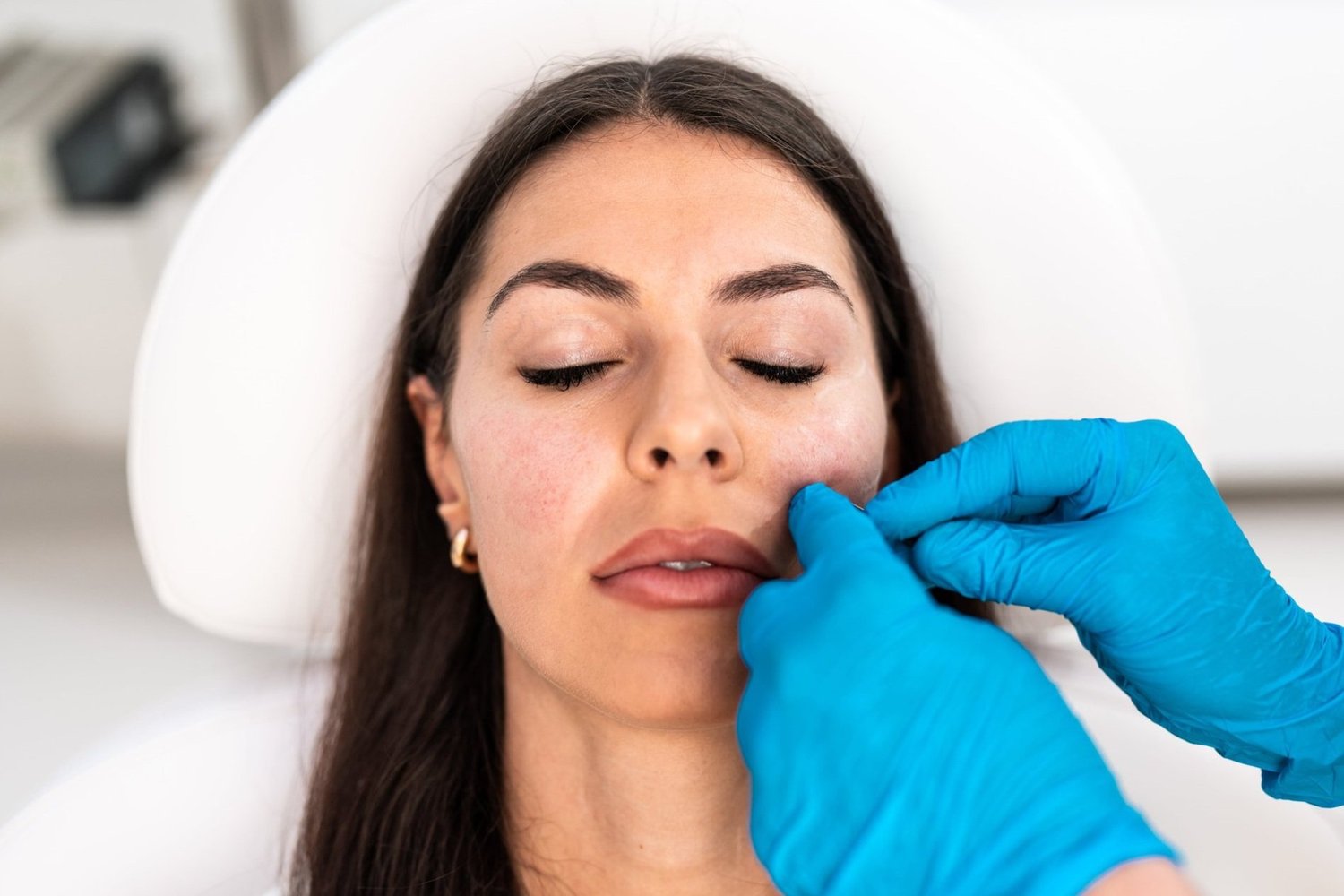
If the dominant issue is structural, meaning the face has lost support and the soft tissue has nothing to drape against, the right answer is conservative dermal filler in Southampton, usually placed on bone at the cheekbone, the chin and the angle of the jaw. Filler placed correctly here works as scaffolding. It does not pull the skin upward, but it puts something underneath the skin to rest on, which lifts the visible position of the soft tissue by a few millimetres. A few millimetres on the cheek is a great deal of difference on the face.
3. Softening the dynamic component: anti-wrinkle injections
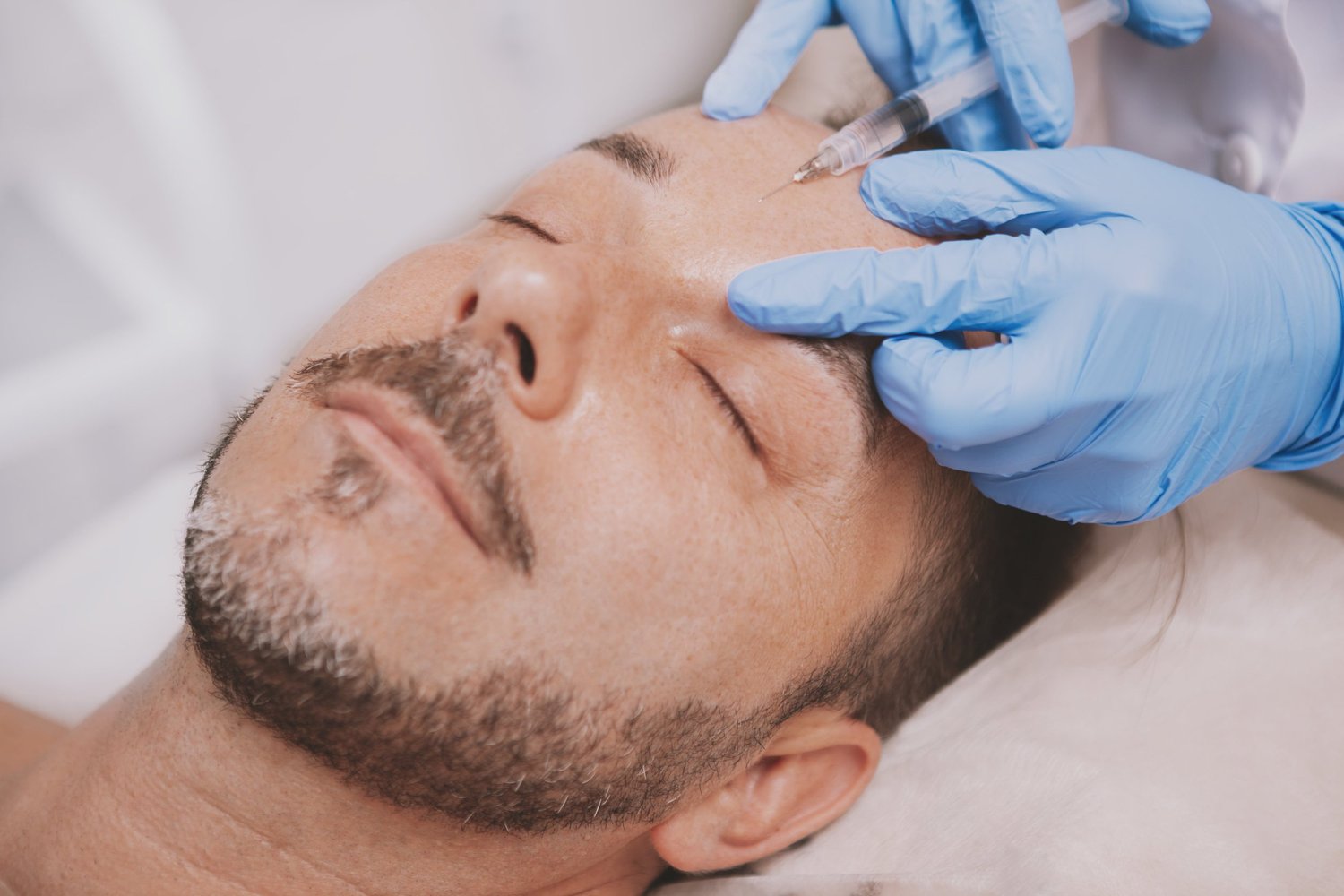
Some of what reads as sagging is actually muscular pull working against the skin from below. Heavy frown lines and downturned mouth corners are the two clearest examples. Treating those muscles with anti-wrinkle injections does not lift the skin, but it softens the pull that was making the area look heavier than it really is.
The patients whose faces age well are almost always the ones who treated the tissue first, restored a little structure second, and used the rest of the cabinet sparingly.Krystian Woloszyk · Lead clinician
Treatments we politely steer patients away from
We will be honest about the treatments we do not believe are worth the money. We do not offer thread lifts, because the published evidence on durability is unconvincing and we have seen too many patients arrive disappointed twelve months after paying for one elsewhere. We do not market radiofrequency, ultrasound or laser-tightening devices, because the magnitude of the result rarely matches the cost in the kind of laxity our patients present with, and there are better-value injectable starting points.
This is not a moral position about other clinics. It is a practical observation about return on investment, and it is one of the reasons our membership tends to start with Profhilo rather than a device package.
How long the results last
Profhilo results build over four to six weeks after the second session and typically last six to nine months before maintenance is needed. Structural filler placed conservatively on bone often lasts twelve to eighteen months in tissue terms. Anti-wrinkle injections, where used as part of a sagging-skin plan, last three to four months and pair best with a steady Profhilo schedule rather than a one-off treatment.
When non-surgical is no longer the right answer
Saying no is part of the job. If the laxity is advanced, the cleanest answer is to refer you for an opinion with a reputable facial plastic surgeon rather than charge you for treatments that will not deliver the result you have asked for. We will tell you that at the consultation, in plain language, and we will give you the name of someone we trust if asked.
The thirty-minute consultation is £30, taken off your first treatment. You do not need to commit to treatment to attend.